
How Good Lighting Influences Guest Experience
Guests form impressions quickly. Before they even look at a menu, check in at a front desk, or settle into a seat, the lighting in the space has already done its work for better or for worse. To make a strong first impression, you must consider your lighting.
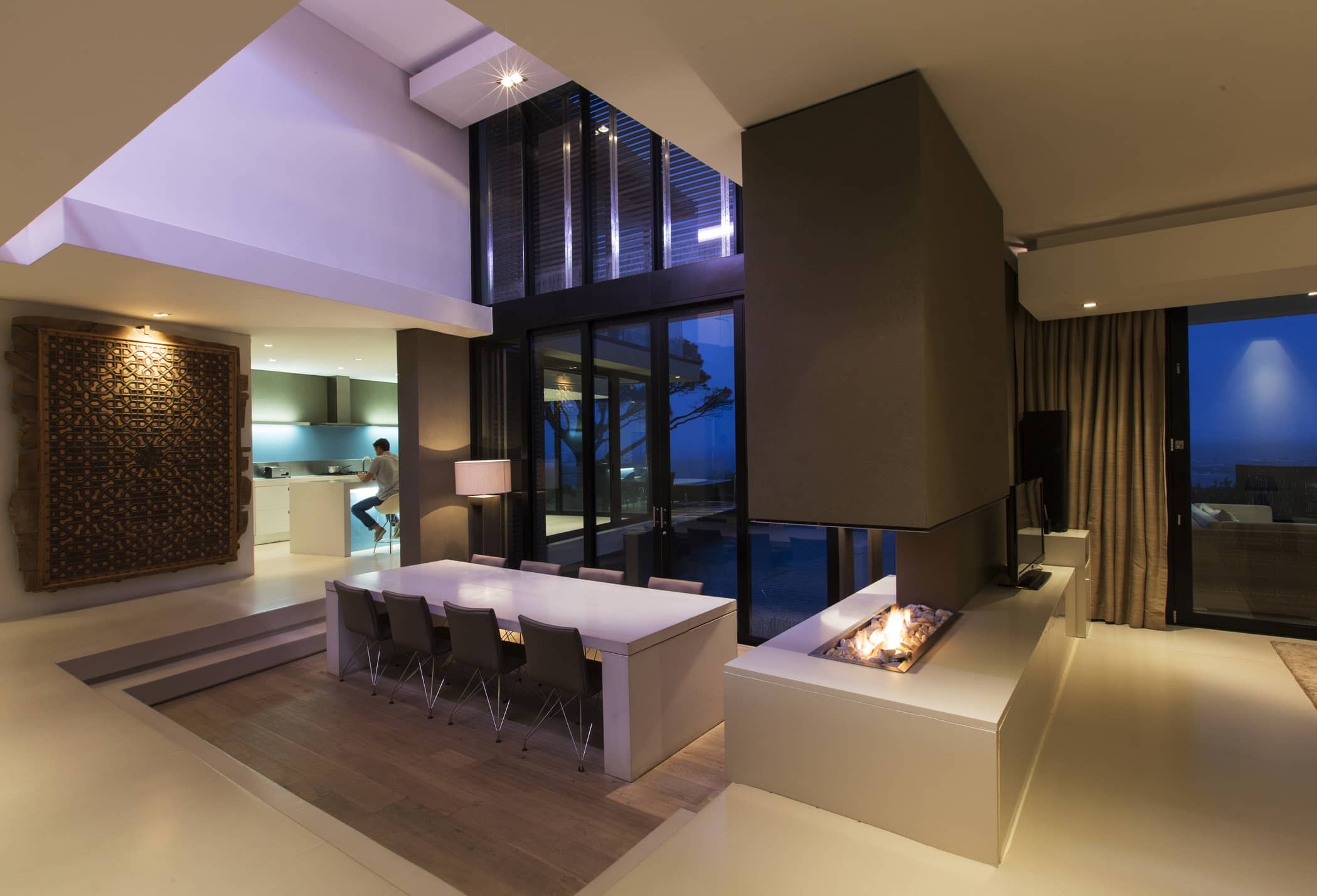
In restaurants and hotels, lighting operates as an invisible design layer, shaping how comfortable, appetizing, energizing, or luxurious a space feels. It manages to do all that without calling attention to itself. Lighting serves as a supporting character in the design rather than the star.
The right lighting choices involve more than selecting a color temperature or wattage. They require understanding how guests will use and interpret the space.
The First Impression Starts Outside
Lighting directly influences a guest's first impression of a hospitality property. Often, that impression solidifies before the guest has even set foot in the building.
Don't overlook transitional spaces when selecting lighting. These include:
- Covered entries
- Restaurant facades
- Hotel porte-cocheres
- Landscaped walkways
- Covered patios
- Outdoor bar terraces
Exterior lighting signals the character of the space and sets expectations before a guest walks in. Warm, low-intensity lighting at a hotel entrance suggests a luxurious and relaxed environment. Brighter, high-intensity lighting outside a quick-service dining establishment signifies efficiency and energy.
Color Temperature Sets the Tone
Color temperature is one of the most impactful variables a designer can use to shape how a space feels. Measured in Kelvin, lower color temperatures in the 2700K to 3000K range produce warmer, amber-toned light. These lighting conditions are ideal for guest-facing areas. A dining room or bar at 2700K feels intimate and welcoming. Guests linger, likely spending more time and money.
Higher temperatures in the 3500K to 4000K range produce cooler, more neutral or bluish light. This cooler-tone light works best in areas where task and clarity matter more than mood. Spaces like hotel fitness centers, spa shower areas, or back-of-house commercial kitchens benefit from this cooler color light.
The difference between these ranges has a measurable effect on how guests perceive and behave in a space. It's a subtle, subconscious hint to guests about how to use and interact with the area.
Tunable white LED strip lights give the project team more control over these shifts without requiring a fixture swap. A single installation can span a color temperature range, allowing a hotel breakfast area to operate at a brighter, more neutral tone during morning hours and transition to a warmer, lower setting during evening events. If this is something you're considering, look into tunable white LED strips early in the specification process.
CRI Determines What Guests Actually See
The Color Rendering Index (CRI) rates a light source based on how closely it reproduces colors as they would appear in natural daylight. The scale runs from 0 to 100. Most standard, mass-produced LED products fall in the 80-85 CRI range. This lower CRI renders colors adequately, but not accurately. For hospitality applications, that range often falls short of what the project requires.
In a restaurant, high CRI lighting makes food look natural and appealing. A dish under 90-plus CRI light looks the way the chef intended. The same plate under 80 CRI light can appear flat, dull, or slightly off in tone. Guests notice this, even when they can't articulate why. For a restaurant that invests in plating quality and presentation, low-CRI lighting quietly undermines that investment every time a dish reaches a poorly lit table.
In hotel spaces, high CRI matters for different reasons. Interior finishes, upholstery textures, natural stone, decorative tile, and millwork all render more accurately under high CRI light. A lobby designed with careful material selection looks the way the designer intended when the lighting complements those choices. For hospitality projects where the client's brand identity is tied directly to the design, it's crucial that the lighting supports that visual branding.
CRI is a specification worth building into the project requirements from the start, not something to evaluate after the product arrives on-site.
Dimming Is a Design Tool, Not an Afterthought
A lighting system with no dimming capability has only one setting. That one setting is a huge limitation for hospitality spaces.
A restaurant requires different light levels at noon on a weekday than it does at 8 p.m. during a Saturday dinner service. A hotel lobby needs to transition from bright and functional during peak check-in hours to subdued and comfortable late at night.
Dimming quality matters as much as dimming range. A strip light that flickers at low dim levels is off-putting for guests and staff. A dimmer-driver combination that's not matched to the strip can produce audible buzzing, inconsistent color, or a narrow usable dimming range, making the system difficult to operate effectively. The right approach is to specify the dimmer and driver together with the strip, and confirm compatibility before placing the project order.
For properties that want even more control over lighting scenes, smart lighting systems allow programming across multiple zones. Some dimmable LED systems can pair with a phone app, Alexa, and Google Assistant, and still work with standard 12-volt and 24-volt constant-voltage strip lights.
Hospitality clients who want circadian rhythm presets, programmable scenes for different times of day, or centralized control across a property will benefit from raising smart control options early in the design conversation rather than retrofitting them later.
Wet and Outdoor Locations Need Separate Specs
Outdoor dining areas, hotel pool decks, covered rooftop bars, and exterior signage zones all require careful attention to moisture and UV resistance. Using an indoor-rated strip in a wet-location application will lead to premature failure, safety concerns, and project callbacks. The IP rating is the first specification to verify for any exterior or semi-exterior installation.
IP65 strips are sealed against water spray and condensation, and work well in environments where they won't be submerged, making them appropriate for:
- Covered outdoor areas
- Humid kitchens
- Underbar lighting
- Landscape and pathway lighting
IP67 strips provide more protection and can withstand brief submersion. Some IP67 strips even have protection against UV exposure and saltwater environments, making them a better fit for: :
- Coastal hotel properties
- Outdoor pool surrounds
- Open-air terraces
- High-humidity climates
- Bathroom floor perimeters
- Cold storage and refrigeration
Specifying the wrong rating for a wet-location application is one of the most common causes of premature product failure in hospitality projects, leading to costly callbacks and eroding client trust.
The installation technique is also an important factor in these environments. Solderless connectors for IP65 strips simplify the installation process and reduce points of failure compared to solder-based connections.
Solderless connectors are good for wet-location runs that need cutting, reconnecting, or routing around corners during installation. These connectors reduce time on-site without compromising reliability.
A Complete System Goes Beyond the Strip
A full LED strip lighting installation in a hospitality project involves several components working together:
- LED strip
- Driver
- Controller
- Mounting channel
- Connectors
- Wiring
A mismatch between a driver and strip can result in flicker, overheating, reduced product life, or poor dimming performance. A mounting channel that doesn't fit the strip width leaves a gap that looks sloppy and unfinished even after installation is complete.
For project teams managing components across multiple rooms, zones, or buildings, a bill of materials review before the order ships helps catch compatibility issues before they become on-site problems.
Review every order carefully to confirm that all specified components are compatible. This review process is especially useful on larger hospitality projects where the component count is high, and a missed specification can create real schedule pressure. If you aren't sure how to confirm compatibility across your spec list, work with an LED lighting company that offers design review and compatibility checks.
Hospitality installations often run on tight timelines. Guest rooms and dining rooms can't stay out of order for long. Protect the installation schedule by getting the right components on the first order, with specifications confirmed before anything ships.
Lighting That Works for the Space and the Guest
In restaurants and hotels, every lighting decision has a ripple effect. Lighting isn't just functional; it's also a critical component of how guests feel, how long they stay, and whether they return.
Color temperature, CRI, dimming quality, IP rating, and component compatibility all shape the finished environment and directly affect how the designer's work and the client's investment are perceived.
If you aren't sure where to start or have questions about what specs are right for you, Flexfire LEDs' free consultation and plan review can help you get the most out of your lighting system.