
LED Strip Light Placement for High-Impact Interior Design
LED strip lighting is one of the most versatile tools available to designers. Lighting shapes how a space feels and photographs. The question most designers face isn't whether to include strip lighting in a project. It's where to place it most effectively.
The answer depends on the space, the client's goals, and the layers of light already in the plan. Strip lighting performs best when intentionally placed to define a ceiling plane, highlight a material, support a task, or anchor a focal point. Here are a few applications where strip lighting makes the biggest impact.
Cove and Ceiling Applications
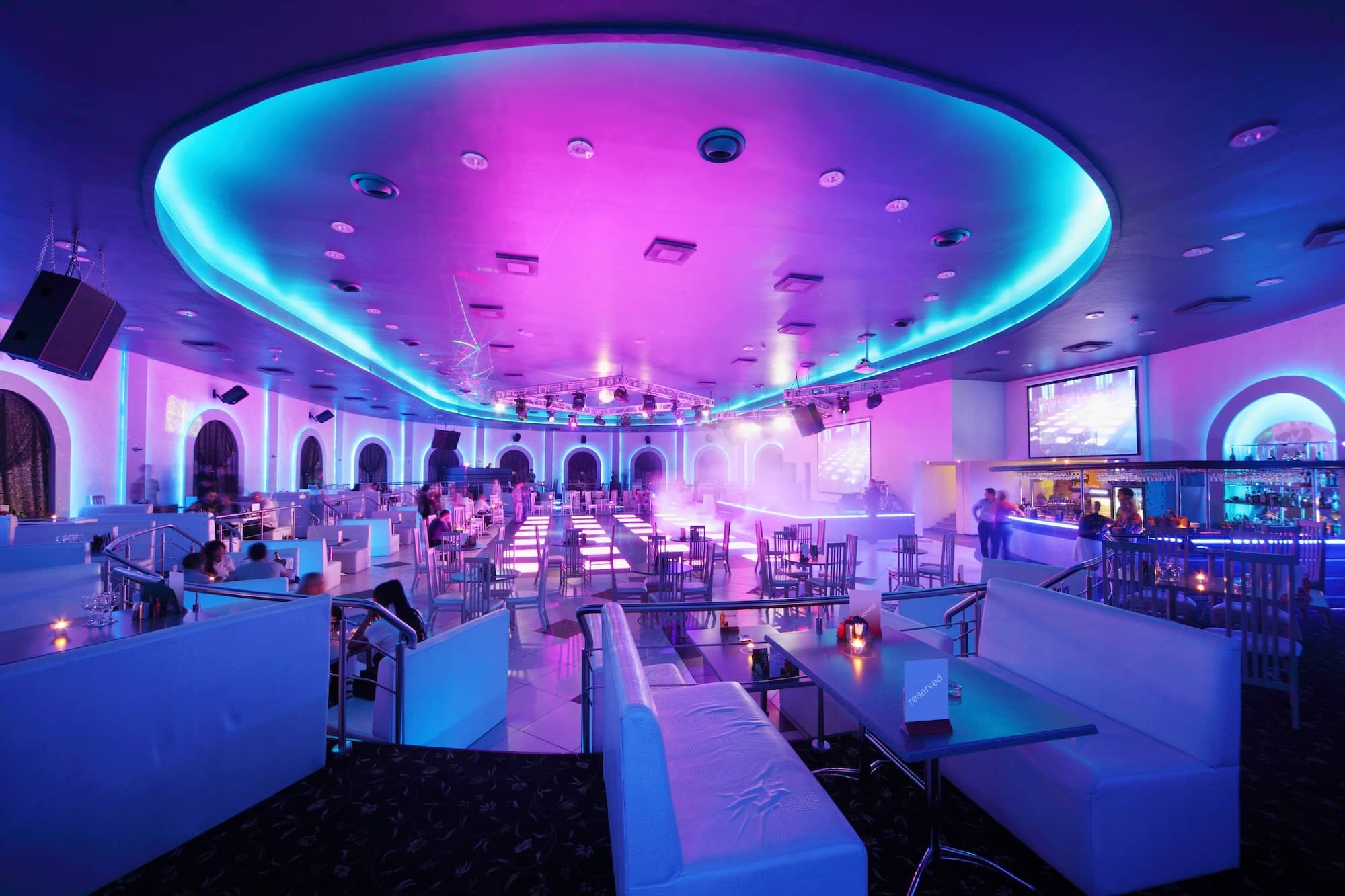
Cove lighting is the most widely used application for LED strips in both commercial and residential interiors. A cove is a recessed ledge built into the architecture of the room between the ceiling and the wall. Strip lights are installed in the cove to wash light upward across the ceiling. The result softens the room and makes it look taller.
In hospitality settings, cove lighting is often the detail that lifts a space from merely functional to thoughtfully designed. Consider adding cove lighting to:
- Restaurant dining rooms
- Bar areas
- Corridors
- Hotel lobbies
- Spa and wellness areas
When the ceiling is no longer just a flat plane, it becomes part of the design. Guests notice the warmth and attention to detail without being able to pinpoint the source. That's exactly what well-placed ambient lighting should accomplish.
Specs to Consider
Color temperature matters significantly in cove applications. A light in the 2700K to 3000K range delivers a warm, inviting tone ideal for hospitality and upscale residential settings. Commercial offices or multi-use spaces need a sharper, more energetic light quality, typically in the 3500K to 4000K range.
LED strips with color tuning offer ideal flexibility for a range of uses and effects. They cover both ends of the spectrum in a single fixture, which is worth considering for projects where the space serves different functions across the day.
High CRI (Color Rendering Index) is another critical spec, especially for any cove application where the client has invested in interior finishes. Low CRI sources flatten and distort the colors of meticulously selected tile, stone, millwork, and paint. This flaw becomes distractingly obvious in person and is even more noticeable in photos. Make sure your project stays true to the design by specifying a CRI of 90 or higher.
Under-Cabinet and Task Zones
Under-cabinet lighting is the second most common use of strip lighting in interior design. Common applications include:
- Residential kitchens
- Commercial kitchens
- Hotel front desks
- Hospitality prep areas
- Display cases
- Shelving illumination
- Over cabinets
- Workstations
The primary function is practical. Strips beneath upper cabinets illuminate the counter surface and reduce eye fatigue during task work.
However, the design opportunity doesn't stop at functionality. Under-cabinet strips contribute to the layered look of a well-finished kitchen or public-facing storage area, adding depth between the upper and lower cabinets that overhead lighting alone can't achieve. In professional settings, the same logic applies. Task lighting makes a job safer and clearer while adding a professional and finished quality to the design.
Specs to Consider
For task zones, smooth dimming is a specification detail that pays off in the finished result. Projects where lighting needs shift gradually throughout the day, such as offices, may require programmable circadian rhythm settings.
Other settings may need dimmable LED light strips that can adapt throughout the day or change based on event type. A special dimmer and driver combination that supports full-range, flicker-free performance allows a single strip to serve multiple lighting conditions.
Accent Walls and Architectural Features
Accent lighting is where strip LEDs really get to show off. The goal here isn't to illuminate the whole space but to draw the eye to a specific design element and make it stand out.
Backlit panels are one of the most effective uses in this category. Stone, glass, and custom millwork panels can be lit from behind to create a high-end glow. The effect can elevate any setting from hotel lobbies to residential feature walls.
To achieve this, strips must be mounted evenly behind the panel surface with consistent spacing and no hot spots. If a strip is too close to the surface, it undermines the clean, seamless look that LEDs are known for. Mounting channels hold the strip at a fixed distance and diffuse the output through a frosted lens, eliminating the uneven banding that direct mounting can produce.
Edge-lit shelving is another great use of accent lighting. LED strips positioned to illuminate glass shelves from below or above make product displays and decorative objects appear to float.
This illusion works well in hospitality bars, retail environments, and residential wine storage areas. Let your products literally shine on the shelves.
Accent lighting can also highlight architectural features. Place strips in recesses, along ceiling details, beneath floating staircases, or behind trim to reveal structures that overhead lighting would otherwise flatten. These applications typically use warm-white strips at lower output levels, aiming to subtly illuminate a feature without saturating the entire plane.
Specs to Consider
RGB (red, green, blue) and RGBW (red, green, blue, white) strip options are worth specifying for accent applications where the client may want to adjust the effect over time. RGBW strips include a dedicated white channel alongside the color channels, which produces cleaner whites and more accurate neutral tones than RGB alone, making them more versatile across different moods and events.
Entertainment and Hospitality Spaces
Entertainment spaces, home theaters, and hospitality venues call for lighting that shifts with the mood and the moment. Strip lighting is perfect for this. High-quality LED strips offer dimming and color-shifting capabilities that static fixtures can't match.
In home theaters and media rooms, install strips behind the screen or television to reduce eye strain. The strips reduce the contrast between the display and the surrounding room. This application, commonly called bias lighting, is one of the most popular residential uses for color-tunable strips.
Another popular use is along floor edges or stair treads. Low-output strips illuminate the path without pulling attention from the screen.
Hospitality venues benefit from strip lighting in bar backdrops, bottle shelving, booth seating, and architectural accents. Lighting helps set the tone for different service periods. A bar that reads warm and intimate during dinner can shift toward a more energetic feel later in the evening.
Specs to Consider
Entertainment and hospitality applications almost always benefit from a focused dimming specification. Tunable and smart-control options support this kind of flexibility. Specify this capability early on so your lights don't flicker when dimmed. A driver rated for smooth performance at low output levels is the detail that separates a polished, professional result from one that draws attention for the wrong reasons.
Design Planning and Specification
Strip lighting performs best when placement is determined early in the design stage. Make sure you know what you need before construction locks in ceiling profiles, channel recesses, and conduit runs. Retrofitting cove lighting into a finished space is possible, but it adds cost and may compromise the design.
A few practical considerations to build into your spec from the start:
- Plan power supply placement before finalizing channel locations. Every run needs a driver and a driver enclosure. Install them where they won't distract from the design.
- Specify 24V for runs longer than 10 to 15 feet to keep the light strong and consistent throughout the strip.
- Match CRI and color temperature across zones. Mixed sources in the same space create visual inconsistencies that are difficult to correct after installation.
- For applications near moisture (outdoor soffits, shower niches, commercial kitchen hoods), confirm the IP rating matches the actual exposure level. IP65 is well-suited to wet-location exposure; IP67 is appropriate for higher-moisture environments.
Attention to detail at the design stage is the key to a smooth installation. Whether the project involves cove lighting, shelving, architectural highlights, or task-zone illumination, attention to detail during planning is critical. With thoughtful placement, LED lighting enhances every element of your interior design plan.
Video