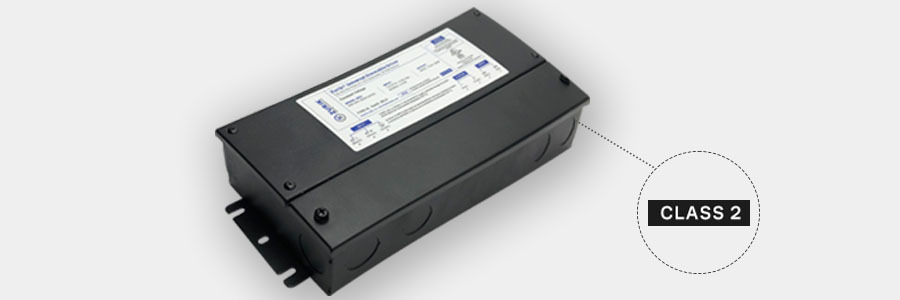

Class 2 Power Supply: What Is It & Why Does It Matter?
What is a Class 2 power supply? Learn whether you need a Class 2 power supply for LED lighting and the safety basics behind these LED drivers.
- -A Class 2 power supply features built-in safety mechanisms that limit voltage and power output, helping reduce the risk of electrical shock and fire in low-voltage applications.
- -A Class 2 listing is a safety and wiring classification, not a measure of quality.
- -Class 2 power supplies are commonly used in everyday devices such as home LED lighting, smart home systems, security equipment, and low-power chargers.
- -Certain uses make a Class 2 driver either the preferred option or a legal requirement.
If you’ve ever read the fine print on the back of a device's power supply or set up low-voltage LED strip lights under kitchen cabinets, you’ve probably seen the phrase "Class 2 Power Supply" or "Class 2 Output" stamped right onto the casing. It may sound like technical jargon meant purely for electrical engineers, but it is actually one of the most practical, safety-focused classifications in the entire electrical world.
Whether you are a homeowner DIYing your dream bathroom setup or an electrical contractor mapping out a commercial LED project, understanding Class 2 power is the difference between a smooth, code-compliant installation and a potential safety hazard.
Let’s break down exactly what a Class 2 driver is, why the National Electrical Code (NEC) cares so much about it, and how it impacts your day-to-day projects and power-supply choices.
What Is a Class 2 Power Supply?
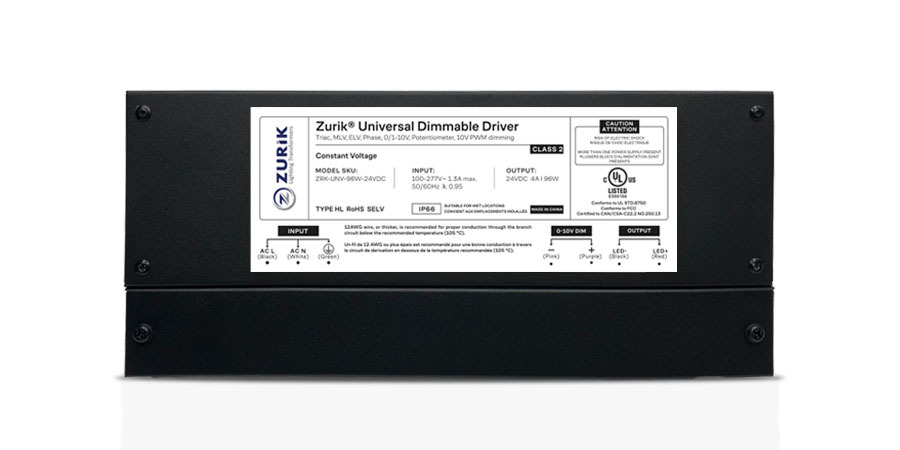
A Class 2 power supply is one with a built-in safety ceiling. Because the voltage and total power they output are kept well below the very strict "inherently safe" levels, these units are legally deemed to pose virtually zero risk of causing electrical fires or dangerous shocks when used in your lighting projects. That makes them a great first line of defense against constant LED troubleshooting.
What Is a Class 2 Power Supply Used for?
If you look around your home or office, you'll find Class 2 power supplies everywhere there's electricity involved. By keeping the energy output below specific safety thresholds, they allow manufacturers to design incredibly efficient, lightweight devices that don't need heavy, bulky protective materials.
This makes them the absolute go-to choice for low-voltage LED strip lighting at home and other gadgets you interact with daily:
- Smart Home Tech: Your smart thermostats (like Nest or Ecobee), video doorbells (like Ring), and motorized smart window shades.
- Home Security Systems: Wall-mounted control panels, wireless motion sensors, security cameras, and window glass-break detectors.
- Internet & Networking Gear: Your home router, modem, and any device powered via PoE (Power over Ethernet).
- Everyday Chargers: Many of the low-wattage USB wall chargers we use for tablets, smartwatches, and wireless headphones.
How to Identify a Class 2 Power Supply?
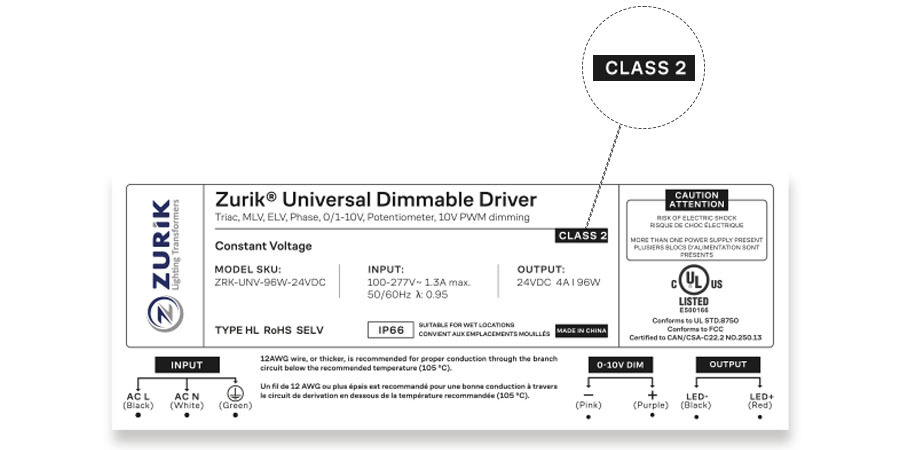
Look closely at the label printed on the power brick or driver. You should see the explicit phrase "Class 2 Power Supply", "Class 2 Power Source", or "Class 2 Output".
Now that we understand the fundamentals and safety focus of a Class 2 rating, let's explore what these mean for key power-supply specifications such as voltage, amperage, and wattage.
What Voltage Is Class 2?
To qualify as Class 2, your power supply's voltage must remain low enough that, if you touch a bare wire, the electrical current won't easily overcome skin resistance and cause a harmful shock. In normal, dry indoor conditions, a Class 2 power supply is capped at:
- 60V DC or less (most commonly 12V DC or 24V DC), which are the typical voltage levels for LED strip lighting you use at home under kitchen cabinets, along bathroom vanity toe kicks, etc.
- 30V AC or less (most commonly 16V AC or 24V AC), designed for some electronics, industrial automation, or home applications like traditional doorbells—which usually run on a 16V AC transformer. Because AC electricity behaves slightly differently than DC, the safety threshold is lower (30V AC instead of 60V DC). Even if you are standing on a damp porch and press a cracked doorbell button, the 16V limit ensures you remain safe.
Since water dramatically drops our skin resistance—making us much more sensitive to electric shocks—the allowable voltage ceiling of a Class 2 power supply that’s rated for wet environments (like low-voltage pool lighting or a steam shower) is slashed in half to 15V AC or 30V DC to keep you safe.
How Many Watts Is a Class 2 Power Supply?
While the Class 2 standard includes a few exceptions, 60W for 12V drivers and 100W for 20V to 60V systems (including 24V drivers) are the practical power maximums you can work with and stay fully compliant. If your LED home lighting project requires more total power, you'll typically need to split the load across multiple Class 2 power supplies (or use a multi-channel Class 2 driver) rather than pushing a single unit beyond these safe thresholds.
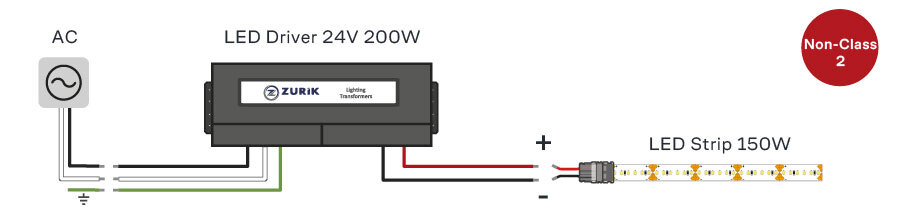
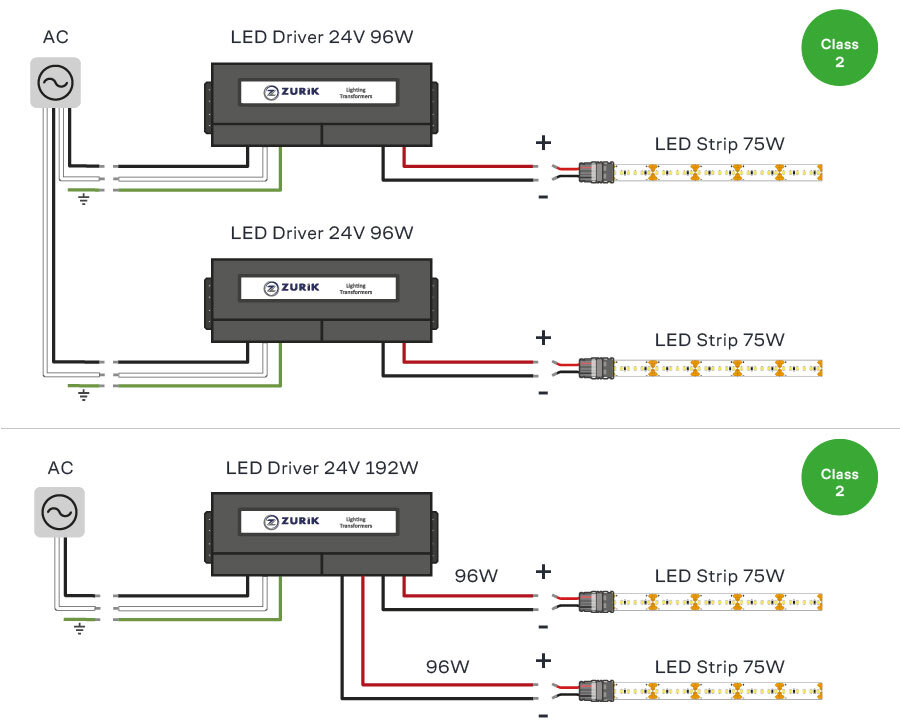
If someone asked, "What are the limitations of a Class 2 power supply?", this would probably be the first thing to mention. But don't let that discourage you. Class 2 systems still offer plenty of flexibility for larger projects with the right planning. For example, let's say you want to install 150 watts of premium architectural tape light in a large LED living room installation. You have two code-compliant ways to power the project:
- The Non-Class 2 Approach: You buy a single 24V, 200W power supply (accounting for LED driver derating). Because it can output more than 100W, it wouldn’t be Class 2. To comply with electrical codes and prevent a fire hazard, you would need to run all of that wiring inside protective metal conduits or use heavy, armored Class 1 cables.
- The Class 2 Solution: Instead of using one large power supply, you can split your lighting into two separate runs—each powered by its own Class 2 driver—or use a multi-tap model that plugs into a single outlet while keeping each isolated channel limited to 96W (below the 100W Class 2 limit). This lets you use simple, low-voltage CL2 cable without conduit, reducing both installation time and costs.
Why Aren’t All Power Supplies Class 2?
If Class 2 has such strict wattage, voltage, and safety measures, why doesn't every single driver on the market follow this standard? It simply comes down to demanding power needs. Many of our everyday electronics and lighting projects need way more than 100 watts to function:
- A high-end gaming PC might pull 750W to 1000W under heavy load.
- Your kitchen microwave, refrigerator, or portable space heater needs thousands of watts.
- Powerful, ultra-bright industrial LED strips lighting up large garages can surpass 100W before reaching their maximum run length.
- Even charging a modern electric vehicle can pull up to 11,000 watts.
Non-Class 2 power supplies are just as essential in modern lighting and rely on other safety measures—such as grounding, reinforced insulation, and circuit breakers—to protect users. For homeowners, the real question is: Should your project use a Class 2 power supply or a non-Class 2 one?
When Would I Need a Class 2 LED Power Supply for My Projects?
You don’t always need a Class 2 driver for home lighting projects. However, there are specific scenarios where it is either the smartest choice or a strict legal requirement. You should specifically choose a Class 2 power supply for your LEDs in these situations:
- Running LED Wires Behind Drywall (Obligatory): If you want a clean, professional look where your LED wires operate inside the walls—like running lines from a central closet to your kitchen cabinets—building codes require a Class 2 rating. It is the only way you could use affordable, in-wall-rated LED wire (labeled CL2 or CL3) without being forced to run every single wire through rigid metal conduit.
- Touch-Safe LED Lighting (Recommended): For example, if you are installing accent lighting within reach, such as closet display lights, shelving strips, or toe-kick applications near the floor, your family and pets will inevitably come into contact with the product. Using a Class 2 driver guarantees that even if your LED tape light gets nicked or scraped, there is almost zero risk of a dangerous hazard.
- Protecting Your Lighting Investment (Recommended): LED strip lights are made of delicate, static-sensitive microchips. A Class 2 power supply acts like an electrical bodyguard. Because it strictly caps the voltage and wattage, it protects your expensive LED strips from being fried by sudden power surges or internal circuit failures.
- Passing a Home Inspection (Obligatory): If you are remodeling your bathroom or basement and pulling permits, the electrical inspector will check your low-voltage lighting. The very first thing they will look for is the Class 2 rating stamped on your LED drivers. If you used a high-wattage, non-Class 2 power supply with exposed low-voltage wiring, they will red-flag the project on the spot.
Many local electrical codes either require or strongly favor Class 2 power supplies for residential low-voltage lighting. Because code adoption and amendments vary by jurisdiction, always check your local electrical code or consult your Authority Having Jurisdiction (AHJ) before beginning an installation.
Beyond local building codes, there’s another critical reason to stay within these limits: maintaining your product's UL Listing. Most low-voltage lighting fixtures, strip lights, and controllers are safety-tested and listed under the explicit condition that they will be powered by a Class 2 source. If you hook those fixtures up to a non-Class 2 power supply instead, you effectively void their UL Listing on the spot—which can leave your installation exposed during a home inspection or in the event of an insurance claim.
What Are the Benefits of Class 2 Power Supplies?
Likewise, if you're planning a home renovation or tackling a weekend DIY project, Class 2 power supplies offer more than just safer wiring, easier installation, and greater code compliance. They also provide three major practical benefits tied to the scenarios mentioned above: no metal conduits needed, family- and kid-safe lighting setups, and easier building permits.
Does a Class 2 Listing Mean It's a Better Power Supply?
While a Class 2 listing is an important safety feature, it shouldn't be the primary reason you choose a power supply. It's a safety and wiring classification, not a measure of quality.
A cheap, poorly manufactured power supply can carry a Class 2 rating as long as its output is electronically limited to meet the Class 2 power and safety requirements. On the other hand, a premium, heavy-duty industrial power supply may not be Class 2 simply because it's designed to deliver more than the allowable Class 2 output.
When shopping for a power supply, a Class 2 listing tells you how the system can be wired and the level of safety it provides under the applicable standards. It doesn't tell you how long the power supply will last, how energy-efficient it is, or how clean and stable its output is. For that, you'll still want to choose a reputable brand with high-quality components and proven reliability.
Where to Buy Class 2 Power Supply Units? Try Flexfire!
At the end of the day, understanding the rules of Class 2 power is only half the battle. The real trick is finding high-quality, reliable power supplies that actually deliver on those safety promises without false certifications, humming, flickering, or premature failure.
To navigate these choices safely, you need more than just a random online retail listing. You need a partner with a sincere commitment to lifetime care and readily available to help you troubleshoot, plan, and protect your home from the exact electrical hazards Class 2 systems are designed to prevent.
That is where Flexfire comes in. We don't just sell LED strip lights and power supplies—we partner with you to make sure your project is safe, beautiful, and fully compliant. To make your life even easier, we’ve taken the math and guesswork completely out of the equation. We’ve created an LED Power Supply Calculator and Sizing Tool.
When you input your desired lighting products and a few basic project requirements, our tool automatically calculates your needs. Best of all, it always favors Class 2 options whenever possible, ensuring your setup remains ultra-safe and easy to wire. Once it finds the perfect match, it takes you directly to the shopping link so you can buy with total confidence.
Ready to get started on a perfectly sized, inherently safe lighting design? Give our finder tool a spin or reach out to our team of experts today!